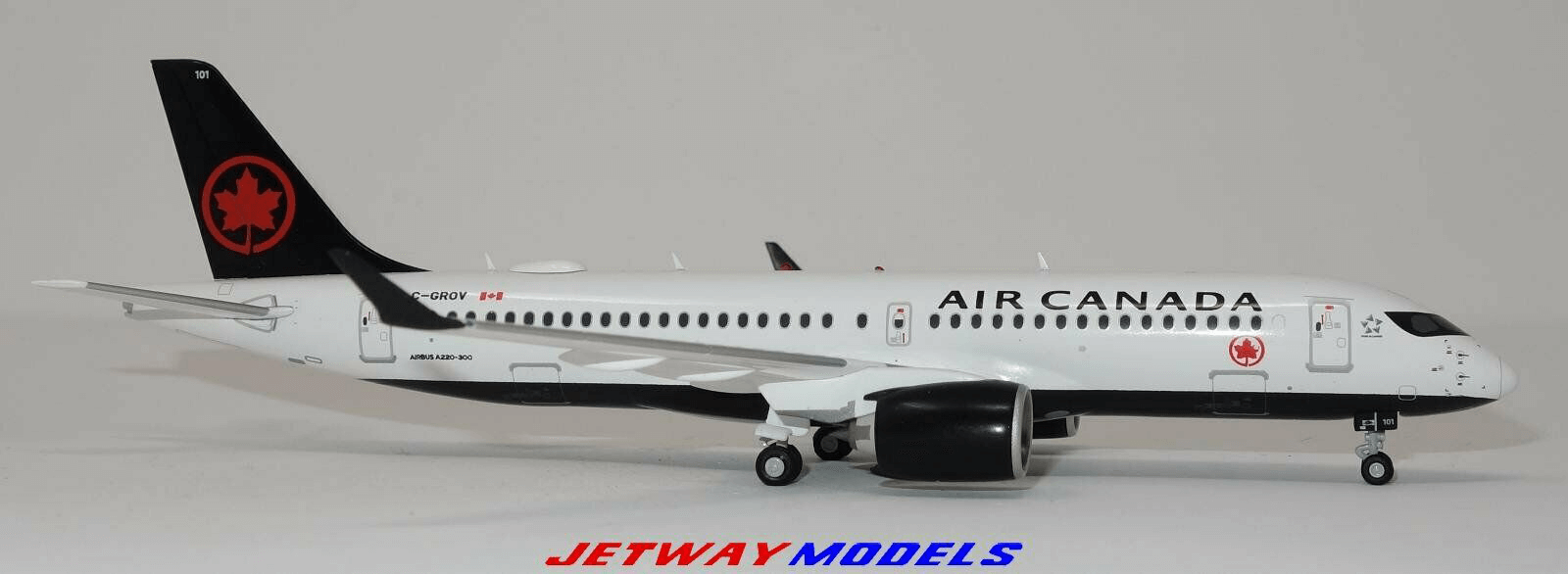
Begun as a social experiment in 1937, Air Canada has evolved into one of the world’s greatest airlines.
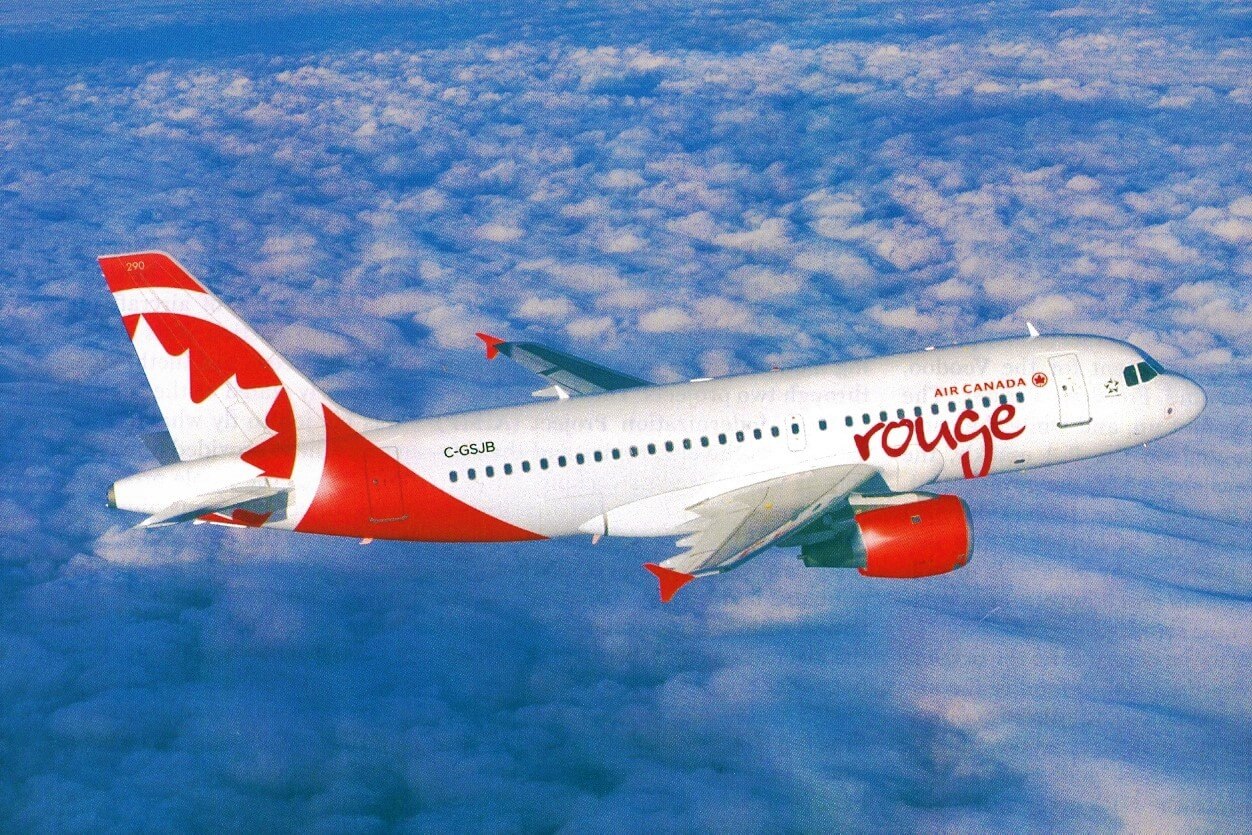
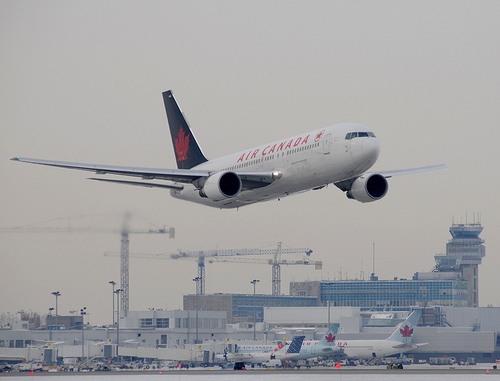
Air Canada: The History explores a modern miracle that has made commercial air travel in our country an everyday occurrence. The airline was born in 1937 as “Trans Canada Airlines,” a ward of the Canadian National Railway. Renamed “Air Canada” in 1964 to reflect its status as a jet-age airline, it survived devastating air crashes, financial deficits, self-serving politicians, strikes, privatization, and the Airbus scandal.
It was reviled in the nineties by the likes of Peter Newman, who joked, “If God had meant Man to fly, he wouldn’t have invented Air Canada.” Today it is a much loved national icon. Fortunate at times to be run by great CEOs like Gordon McGregor and Claude Taylor, Air Canada has fought off a hostile takeover, merged with its arch-rival Canadian Airlines, and touched countless lives during its 75-year history.
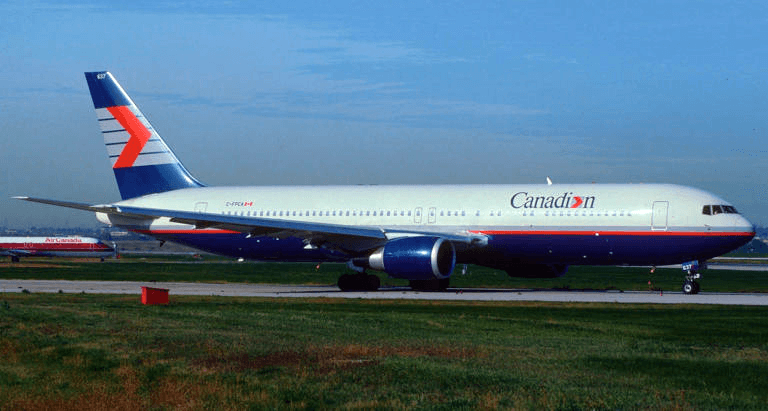
Wing Walkers – The Rise and Fall of Canada’s Other Airline – Peter Pigott
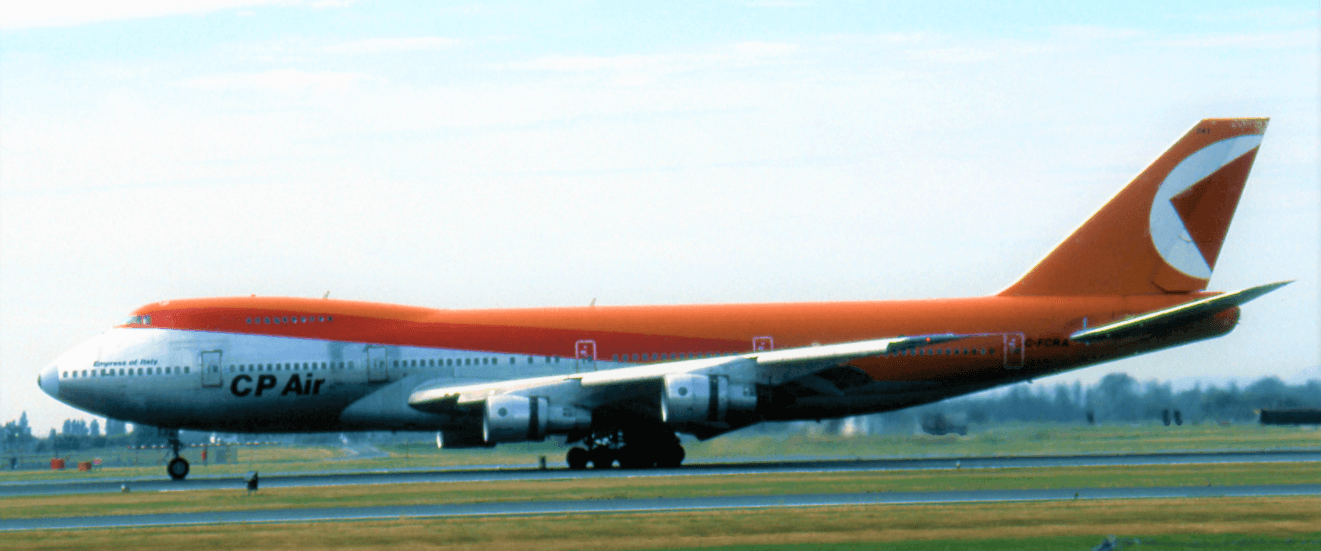
With unique insight and straightforward prose, Wingwalkers tells the saga of Canada’s other airline, a scrappy western mongrel that, through eight decades and numerous name changes–Canadian Airways, Queen Charlotte Airlines, CP Air, PWA, Wardair and Canadian Airlines International–transformed itself from a bush flying and mining operation into an international carrier. This revised edition brings the airline’s story up to date with a new final chapter chronicling the corporate dogfight in Canada’s skies that led to CAI’s takeover by Air Canada.
Wingwalkers begins in the early 1920s when millions of dollars were made by the brave and resourceful people who took advantage of exciting new technologies in transportation and communication.
It shows how the growth of aviation in a rugged and sprawling nation depended on such larger-than-life characters as Punch Dickins, “the greatest bush pilot of them all,” first commercial pilot to cross the Arctic Circle and a later company vice president; Wop May, a bush pilot who achieved fame for flying antitoxin in bitter cold to Little Red River, Alberta during a diphtheria outbreak; the charismatic Grant McConachie, an original pilot for Canadian Pacific Airlines who later led the airline through its heyday as company president; and Max Ward, a former pilot and owner of Wardair, a struggling company purchased by CAI under a storm of controversy. Accompanied by over 150 revealing photographs, the book also shows how the western-based independents found themselves in perpetual conflict with Ottawa after the creation of government-owned Trans Canada Airlines, which became Air Canada. [ More info … ]
Postwar Piston-Engined Airliners
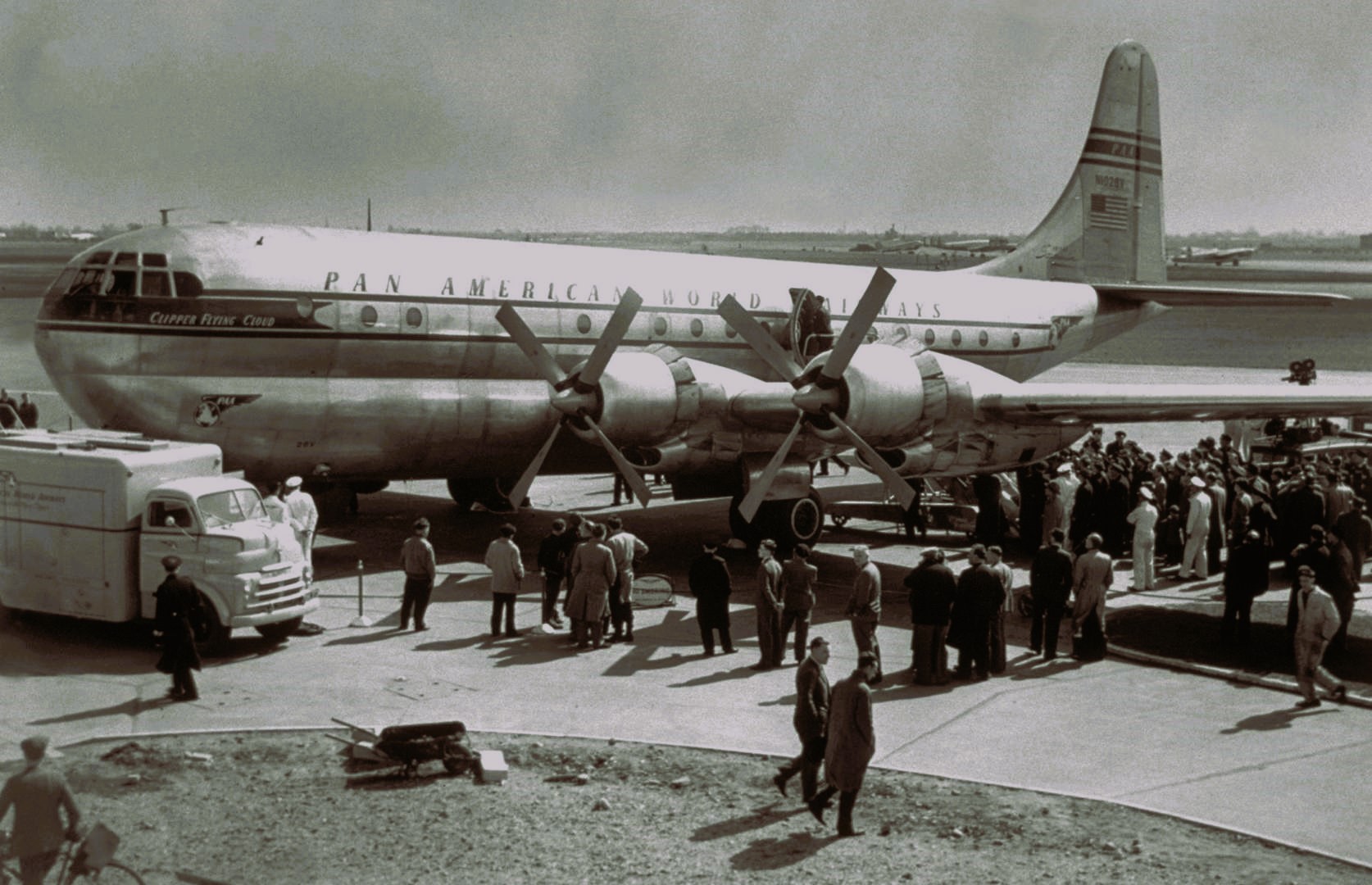
The Boeing B377 Stratocruiser
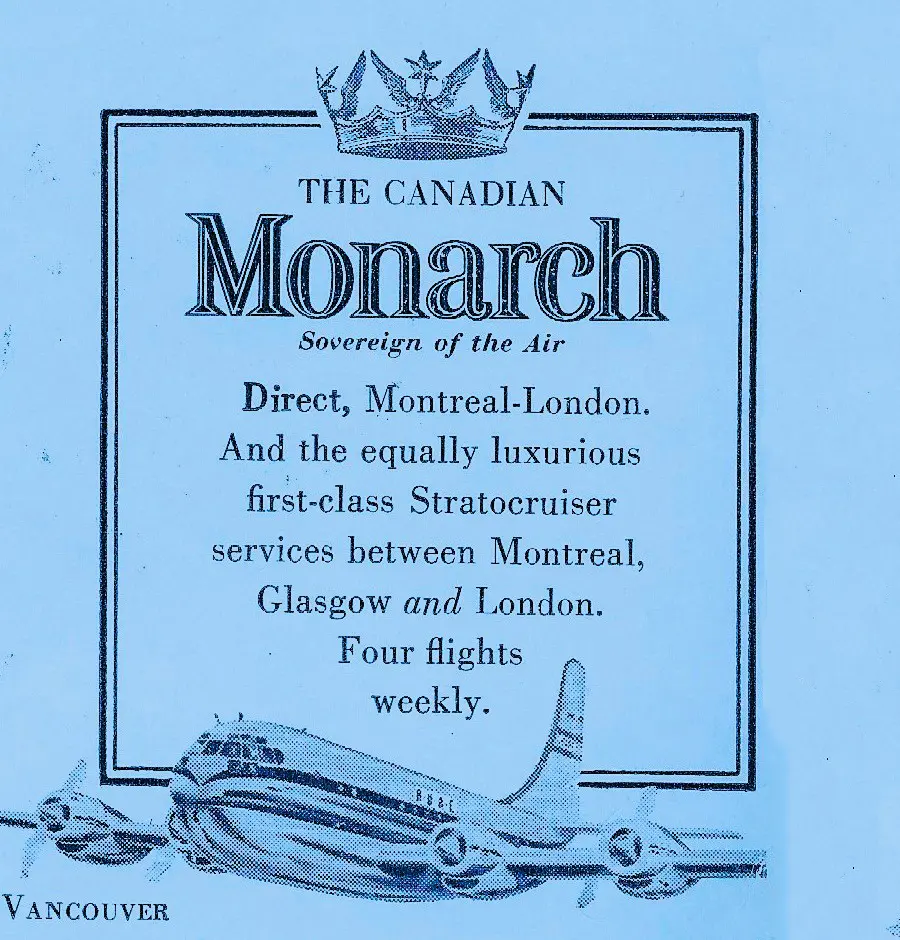
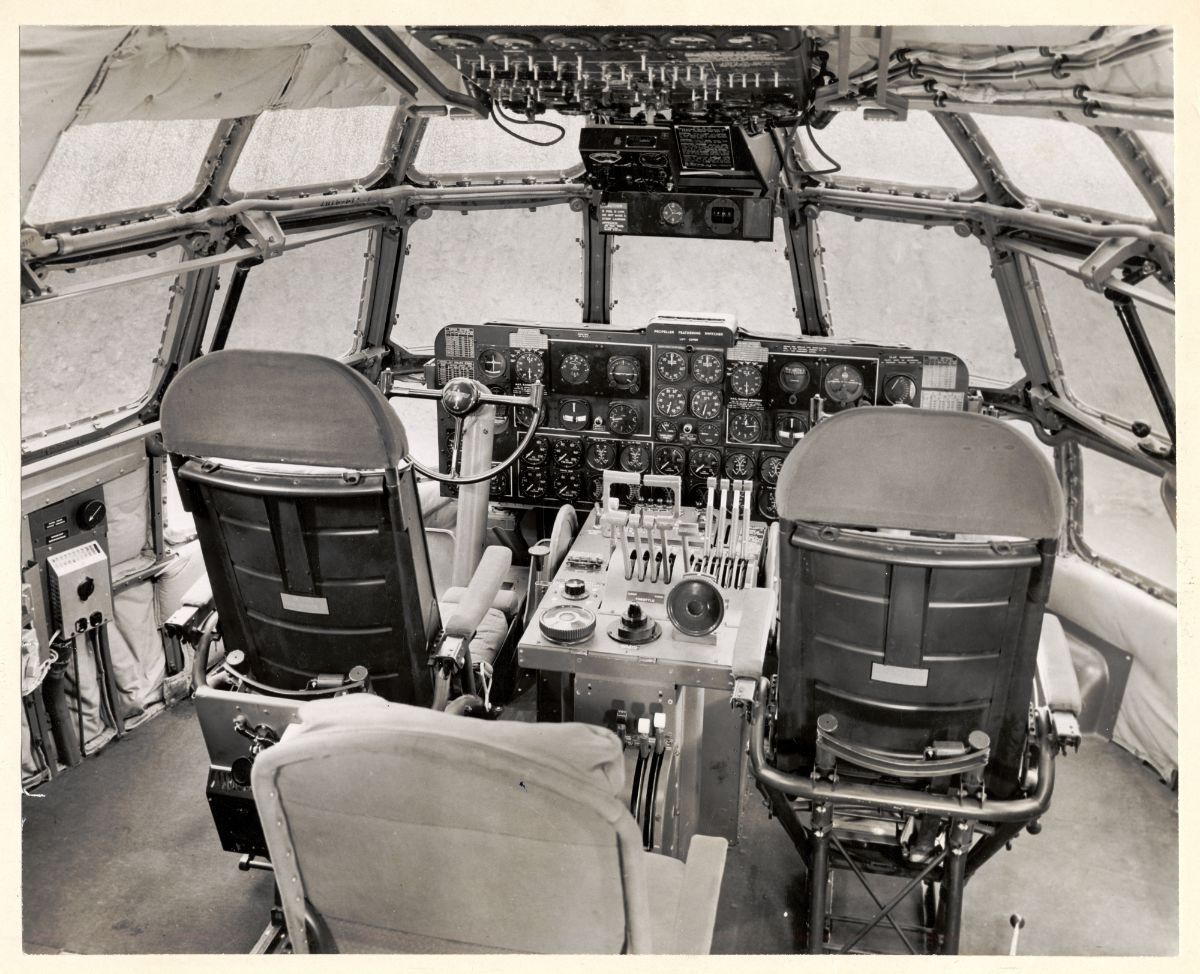
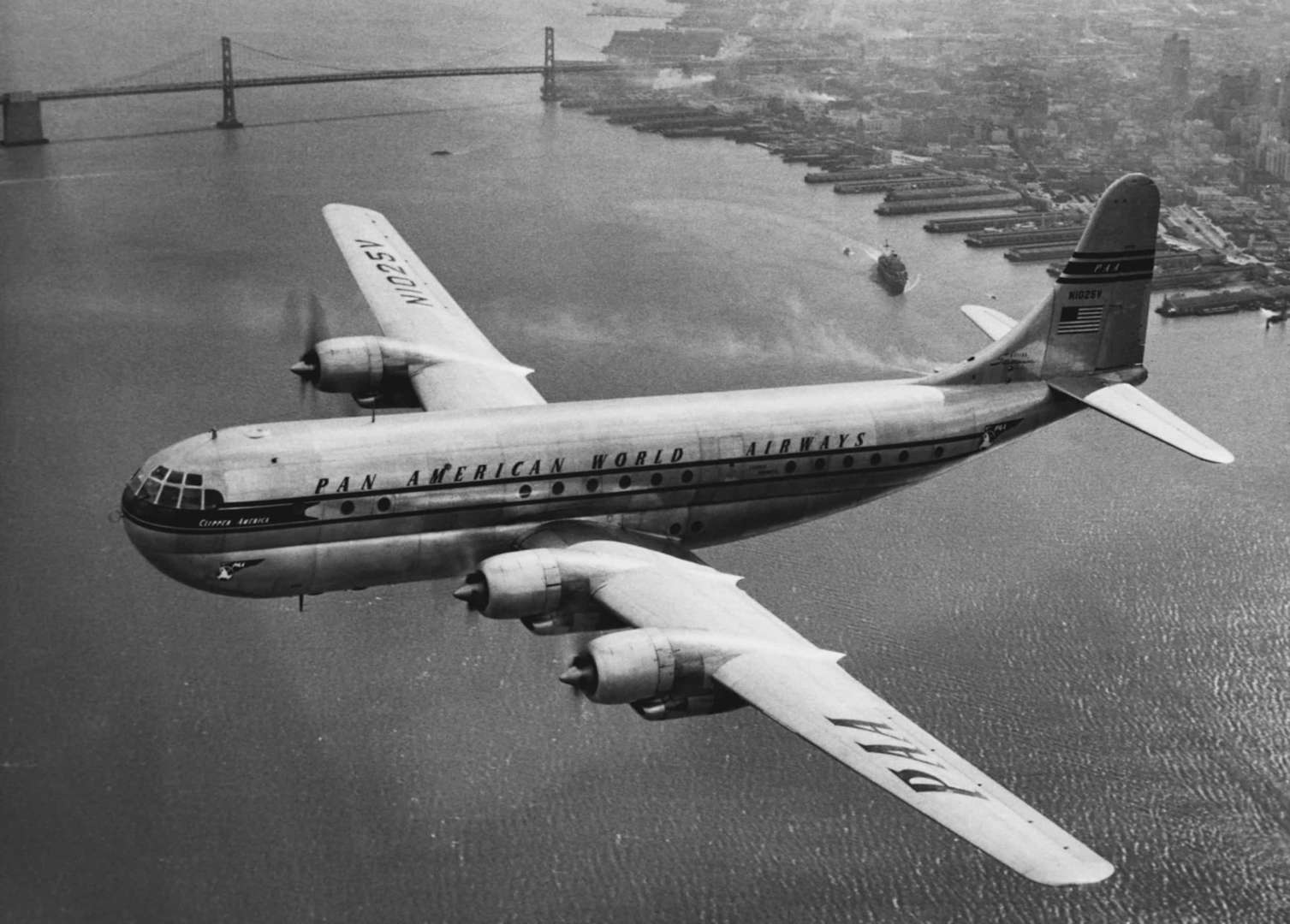
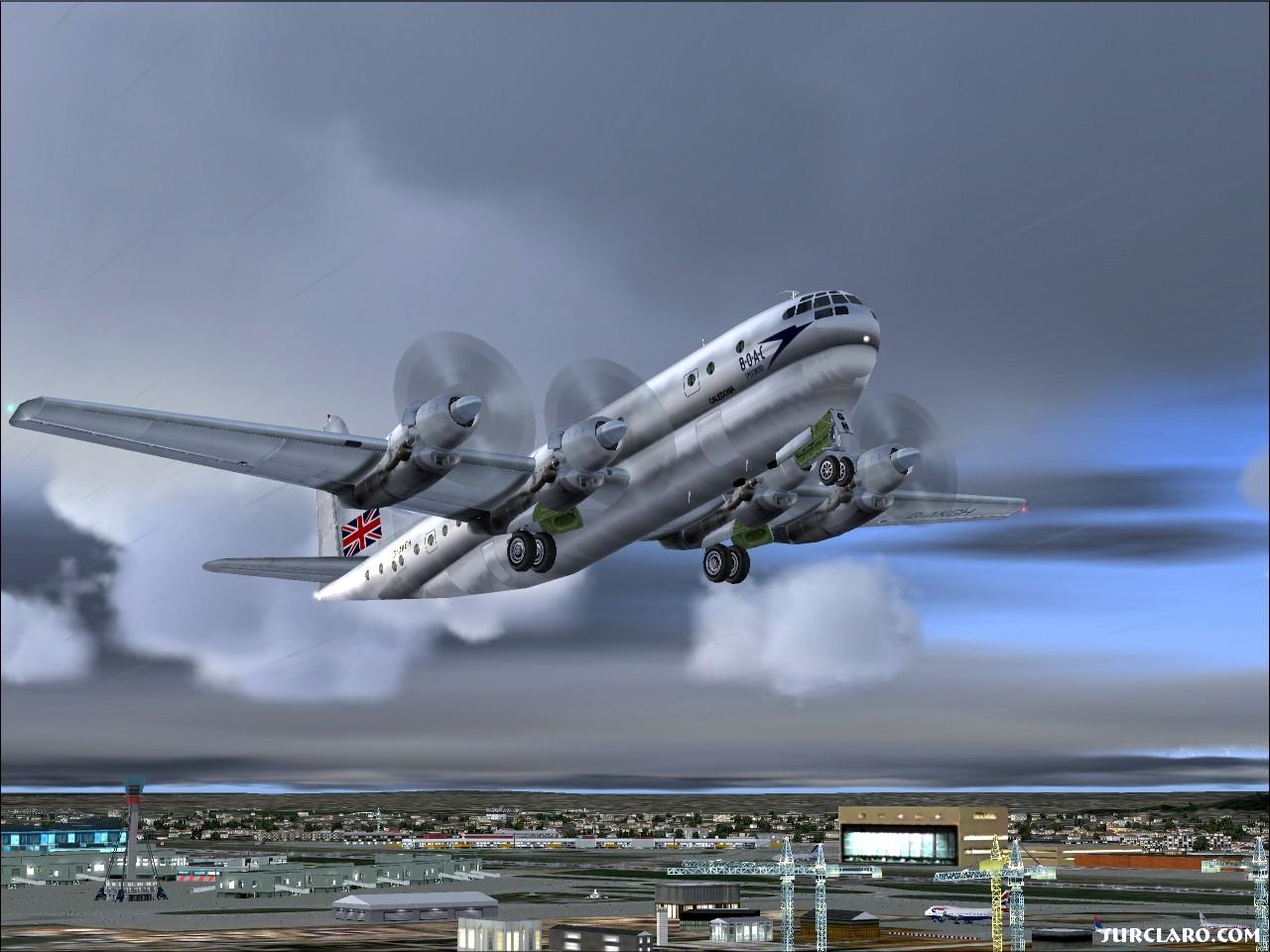
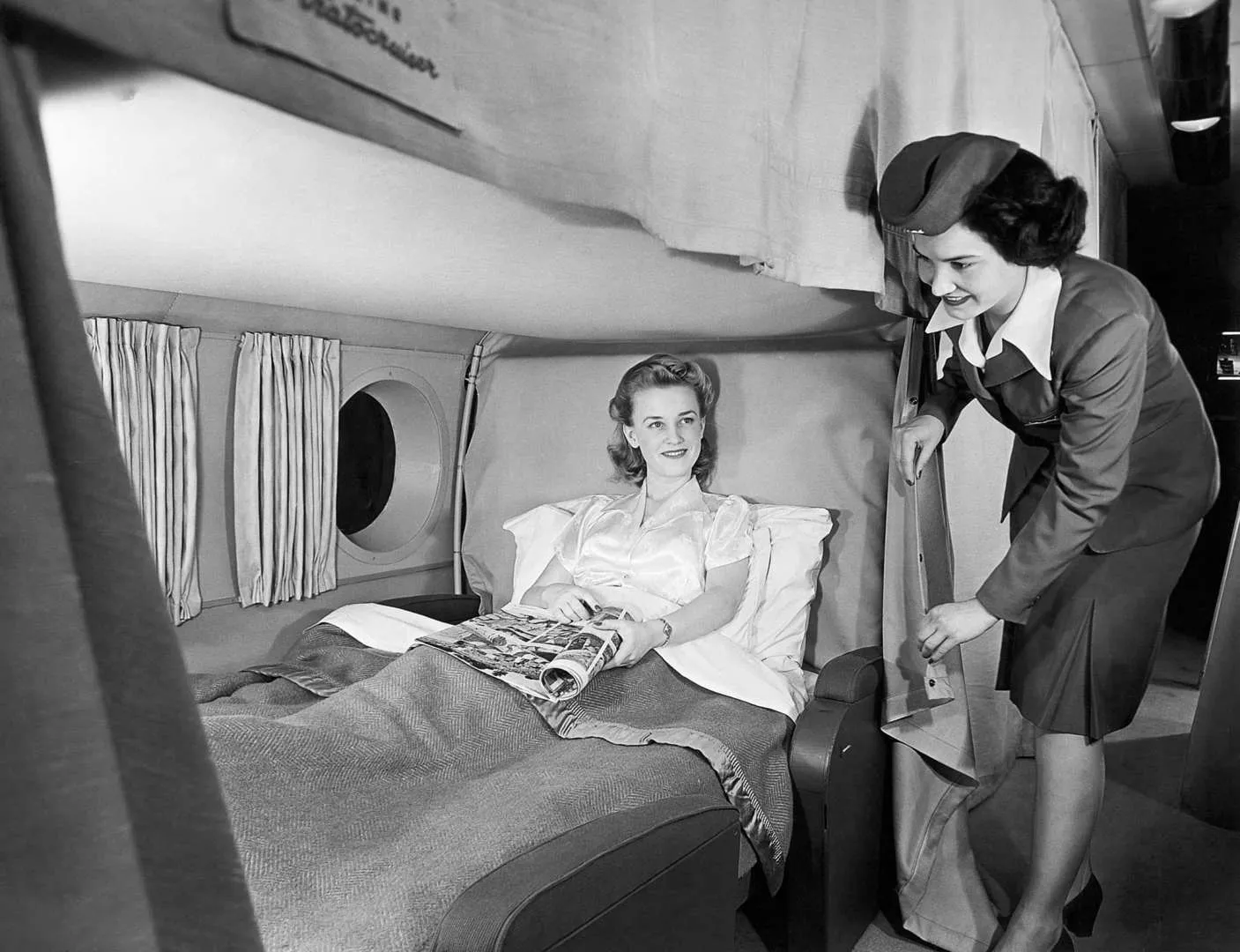
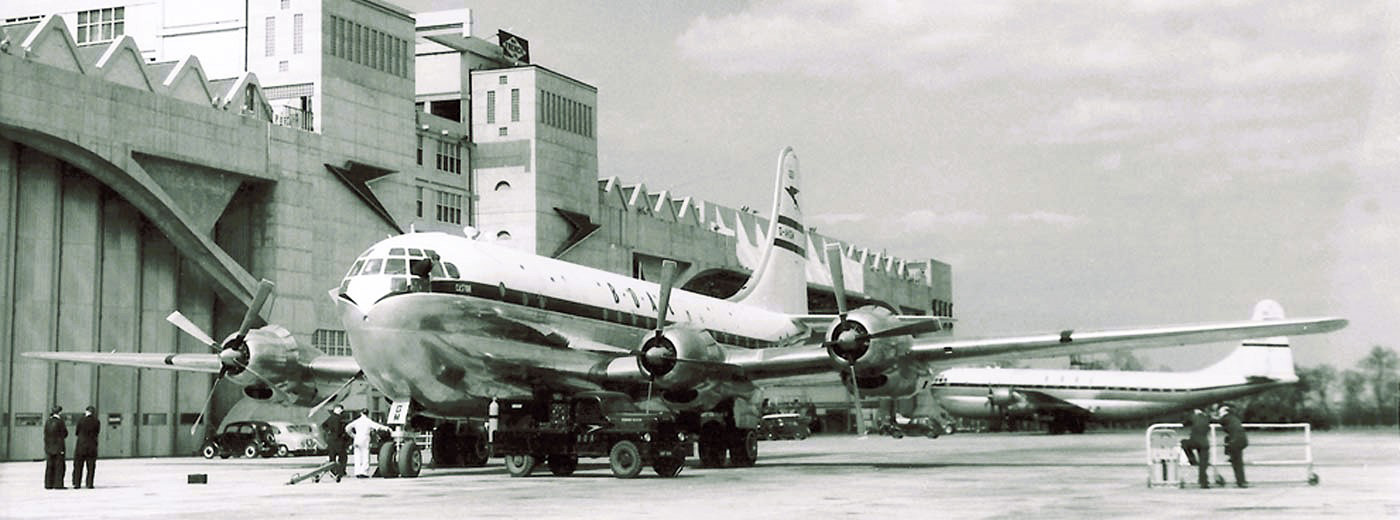
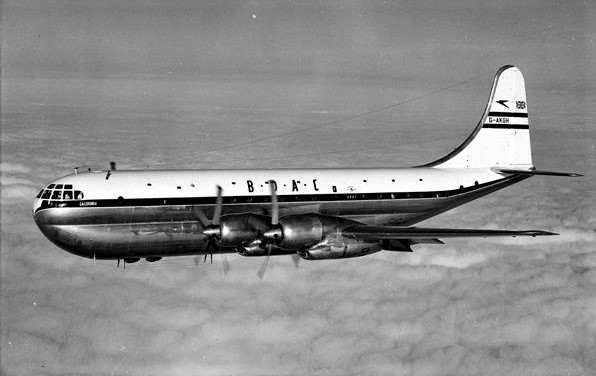
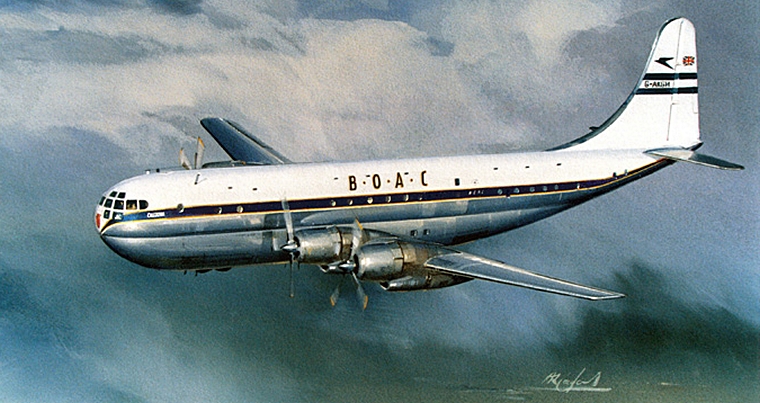
The Boeing Stratocruiser began life as Boeing’s postwar airliner project designed to compete with Douglas with their DC-6B and Lockheed with their lovely Constellation. The bulbous (Jumbo-Like) double-decker fuselage of the Stratocruiser was derived from the C-97 Stratofreighter, while the wings and engines were taken from the B-29D Bomber model. Engine type was the 28 Cylinder Pratt and Whitney R-4360-5 Wasp Major Radials of 3500 Hp. These complex engines would be a continuing source of problems for the Stratocruiser. The Stratocruiser was designed as a “Virtual Electric Airliner”, since the available hydraulic fluid in the 1940s was highly flammable, therefore Boeing decided to “Go Electric” for all accessories, controls and landing gear. A contemporary airliner was the French double-decker, Breguet, which flew in early 1953. The Stratocruiser was first ordered by Pan Am, closely followed by orders from BOAC of the UK. Stratocruisers appeared in the James Bond movie, “Diamonds Are Forever”. A favourite route on BOAC Stratocruisers from 1949 forward, was the Trans-Atlantic run from Montreal to London, with some flights departing from Toronto-Malton. In spite of flight planning based on favourable flight / upper wind conditions over the Atlantic, frequent refueling stops had to be made using Gander, Newfoundland and Labrador. Notwithstanding the sometimes lack of non-stop service, a great number of Canadians preferred the Stratocruiser service for its wide cabin featuring, side-by-side seating comfort, overnight berth availability, a lower deck lounge / bar reached by a spiral staircase, and most important, a far lower noise level than the competing TCA Merlin – Powered Canadair North Stars. Canadian Stratocruiser service continued into the 1950s until the introduction of Boeing B707 Jetliners. In later years some of the Boeing Stratofreighters (C-97) and Stratotankers (KC-97) were converted into the specialized “Guppy” Series” for carrying large, oversized, bulky cargo.
The Canadair North Star
A very detailed history of what was once an important workhorse of Canadian aviation. Includes maps, appendices, bibliography, index. Folded mechanical drawing of the aircraft in rear pocket.
The world is down to a single North Star. Get the low-down on this famous propliner in a book that is the model for any aircraft history. Grand daddy of the CSeries … Canada’s first airliner from conception through a stellar career.
The sole surviving airframe in existence is an RCAF C-54GM example (17515 ), which is currently undergoing restoration at the Canada Aviation and Space Museum in Ottawa, Canada.
Modern Jet Airliners
Flying the Heavies
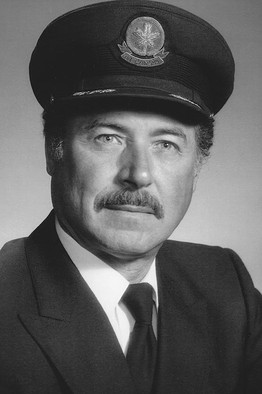
There was always the potential for trouble, as when Howard was bringing in a DC-8 from Winnipeg to Toronto. One of its engines had been damaged while a new pilot was being checked out. Howard became suspicious when he could not find any logbook proof that the No. 1 engine had been ground-run. He asked his first officer to keep a close eye on the engine. On takeoff, the oil pressure began to waver and reduce. Howard soon decided to shut down No. 1 and they returned to Toronto at Mach .8 on three engines. Transport Canada was notified of the reduced engine capability. They brought out the full emergency landing crew to the surprise of the crew and a big audience was on hand.
The landing went well. Afterward, a senior mechanic came aboard. In aggressive fashion, he asked Howard if he waited until the yellow light came on before he shut down the engine. Howard said he didn’t. “You call that judgment,” he told the mechanic, who replied, “Well, it’s in your manual.” Howard said he ignored the manual. The mechanic then told Howard he had saved the airline $4 million. It turned out that there had been no oil whatsoever in the engine. Two days later, Howard flew the same a/c to Vancouver. This time, the same mechanic reassured Howard that he had personally ground-run the engine. They became good friends. [ More info … ]
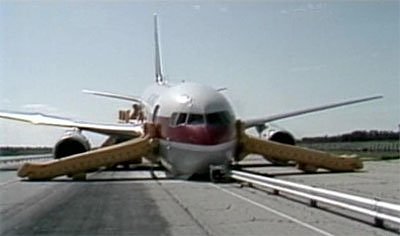
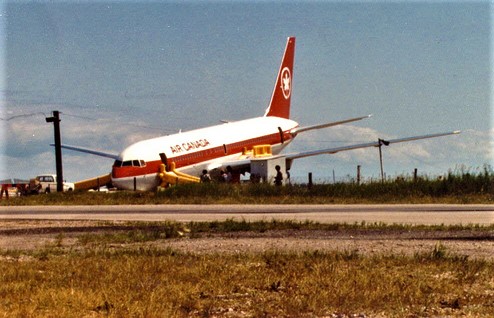
The Gimli Glider
The situation changed rapidly when they passed Red Lake at around 41,000 feet and a low pressure fuel warning light came on. Quintal consulted the Quick Reference Handbook. The crew assumed there was a problem with a failed fuel pump in the left wing tank. They felt it wasn’t a problem, as each engine had other pumps, and felt the trouble was a computer hiccup. Capt. Pearson noted the first thing pilots are trained to do before they ever go solo is to believe their instruments. “We had made all of these fuel checks and it all made sense,” he recalled. They shut off the defective pump. Then another warning alerted the crew that the second pump in the left wing tank was failing. One by one, other low pressure lights came on as the fuel pumps failed. The problems seemed more than coincidence. [ More info … ]



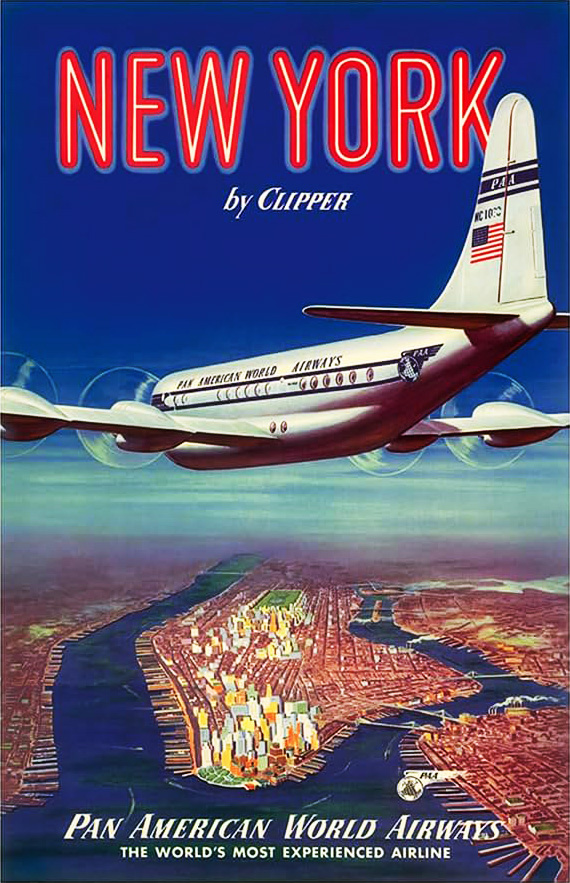
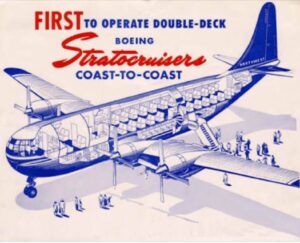 The Stratocruiser was first ordered by Pan Am, closely followed by orders from BOAC of the UK. Stratocruisers appeared in the James Bond movie, “Diamonds Are Forever”. A favourite route on BOAC Stratocruisers from 1949 forward, was the Trans-Atlantic run from Montreal to London, with some flights departing from Toronto-Malton. In spite of flight planning based on favourable flight / upper wind conditions over the Atlantic, frequent refueling stops had to be made using Gander, Newfoundland and Labrador. Notwithstanding the sometimes lack of non-stop service, a great number of Canadians preferred the Stratocruiser service for its wide cabin featuring, side-by-side seating comfort, overnight berth availability, a lower deck lounge / bar reached by a spiral staircase, and most important, a far lower noise level than the competing TCA Merlin – Powered Canadair North Stars. Canadian Stratocruiser service continued into the 1950s until the introduction of Boeing B707 Jetliners. In later years some of the Boeing Stratofreighters (C-97) and Stratotankers (KC-97) were converted into the specialized “Guppy” Series” for carrying large, oversized, bulky cargo.